Start learning
Perfume Making in South Africa: A Beginner’s Roadmap
From the first scent notebook to a repeatable fragrance product: a practical route into perfumery.
Read the guide →6 min read
THE SAPACTI JOURNAL
A considered library for the curious beginner, the developing formulator and the ambitious fragrance founder. Explore the ideas, methods and decisions behind beautiful products.
Explore all 50 guides below.
THE FEATURED LEARNING PATH
Begin with the beginner’s roadmap, explore the seven Fragrance Arts modules, then read the guide to course fees. When you are ready, the programme and admissions team are one click away.
CERTIFICATE IN FRAGRANCE ARTS
Full course fee. R600 registration included. Three months online, with practical training in the final two weeks. Confirm attendance arrangements with admissions.
Register for R600Student Hero & Manati funding options, subject to provider assessment and terms.
Start learning
From the first scent notebook to a repeatable fragrance product: a practical route into perfumery.
Start learning
A clear framework for comparing curriculum, practical learning, support and the real cost of training.
Start learning
How to combine online lessons with disciplined smelling, formulation records and practical preparation.
Start learning
A guided look at the seven perfume and home-fragrance modules in the current prospectus.
Start learning
Plan an orderly learning bench with the right records, equipment and material handling habits.
Start learning
Turn experiments into usable knowledge with formula codes, weighed quantities and clear evaluation notes.
Start learning
Build a useful scent vocabulary through controlled comparisons and repeated observation.
Start learning
The habits that turn enjoyable experiments into a repeatable development process.
Start learning
Understand registration, course balances and the separate budget for developing a fragrance business.
Start learning
Document your progress with briefs, evaluations, trial records and thoughtful reflections.
Fragrance design
Use the fragrance pyramid as an observation tool rather than a rigid recipe.
Fragrance design
Describe scent direction clearly without treating fragrance families as rigid boxes.
Fragrance design
Translate a beautiful idea into a clear direction that a formulator can develop and evaluate.
Fragrance design
Compare application, evaluation and packaging without assuming one format is universally better.
Fragrance design
Understand concentration labels without confusing a percentage with quality or guaranteed performance.
Fragrance design
Choose materials for their role, documentation and suitability rather than a simple natural-versus-synthetic story.
Fragrance design
Learn how a small, coherent combination can become the foundation of a larger composition.
Fragrance design
Understand balance, application and product behaviour before increasing fragrance content.
Fragrance design
Write precise, evocative scent descriptions that help customers decide what to sample.
Fragrance design
Replace vague likes and dislikes with observations that guide the next development decision.
Home fragrance
Understand the relationship between fragrance, base, reeds, vessel and the room itself.
Home fragrance
Develop and describe each application accurately rather than treating every spray as interchangeable.
Home fragrance
Plan for packaging, placement and real vehicle conditions before launching a car perfume.
Home fragrance
Understand why a body mist deserves its own brief, formulation and customer explanation.
Home fragrance
Match a fragrance product to a defined delivery system instead of assuming every oil suits every device.
Home fragrance
Build a hospitality fragrance brief around the guest experience, operational needs and a realistic pilot.
Home fragrance
Plan fragrance around treatments, staff routines and customer comfort.
Home fragrance
A development framework for format, presentation, packaging and product-specific evaluation.
Home fragrance
Create a focused range with clear roles instead of launching every possible format at once.
Home fragrance
Design a refill experience that is clear, compatible and operationally realistic.
Build a brand
Move from a brand idea to a focused, documented product launch.
Build a brand
Calculate the complete unit cost before choosing a selling price or wholesale offer.
Build a brand
Connect cost, customer positioning and channel economics before announcing a price.
Build a brand
Evaluate the whole pack for compatibility, delivery, readability and repeat supply.
Build a brand
Design a sampling experience that teaches you something and makes the next purchase clear.
Build a brand
Coordinate product readiness, content, stock and customer service before announcing a launch.
Build a brand
Give retailers and resellers clear product information, pricing and supply expectations.
Build a brand
Turn a broad audience into a useful customer definition and a sharper product offer.
Build a brand
Use educational content to reduce uncertainty and make the next step clear.
Build a brand
Use clear instructions, reliable service and thoughtful replenishment to support a lasting customer relationship.
Professional practice
Understand the role and limits of supplier conformity documentation before making product claims.
Professional practice
Compare identity, documentation, samples and repeat supply before buying on price alone.
Professional practice
Use mass-based calculations to make trials understandable and repeatable.
Professional practice
Understand why a fresh, attractive sample is only one stage of product development.
Professional practice
Build simple, consistent checks around materials, production records and finished packs.
Professional practice
Build trust by matching product language to evidence and clearly defined scope.
Professional practice
Clarify responsibilities, specifications and approval before commissioning a product.
Professional practice
Use tutor comments and trial observations to build a focused improvement cycle.
Professional practice
Match your first programme to the products you genuinely want to understand.
Professional practice
A flexible framework for building knowledge, records and practical confidence over a three-month learning journey.
No matching articles. Try a broader topic such as “perfume”, “course”, “packaging” or “diffuser”.
OUR EDITORIAL APPROACH
These guides are published by SAPACTI for education and planning. They combine explanations, illustrative examples and reader exercises. Product-specific development requires appropriate technical assessment; business examples are not promises of income.
Published 2 November 2026. Course information refers to the current 2026/2027 prospectus. Questions, corrections or a topic you would like explained? Contact SAPACTI.
MEET THE INSTITUTE
Discover SAPACTI’s courses and our Student Hero and Manati partnerships.
About SAPACTI →FOUNDER FEATURE · GQEBERHA
Meet former SAPACTI student Akhona Sitama and the locally rooted brand she is growing, from personal perfume to home and car diffusers.
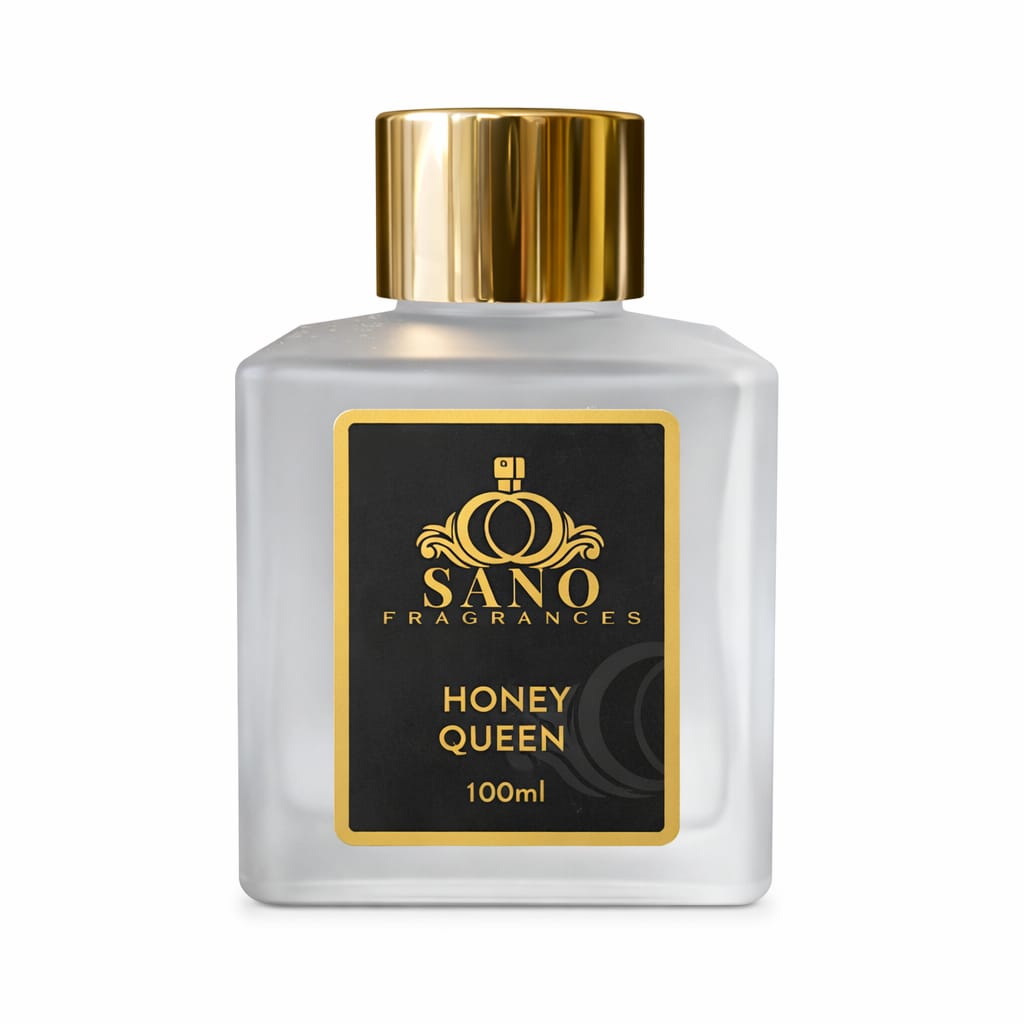
Product photograph supplied by Sano Fragrances.
FROM READING TO PRACTICE
Explore the current perfumery programme, ask a question, or begin registration.
Explore the perfume courseRegister for R600